Short-form creator
Two contrasting personas perform the same hook with different expressions and camera energy.
A quick challenge clip with a clear setup and an easy audience vote.
lip sync TikTokPerformance format
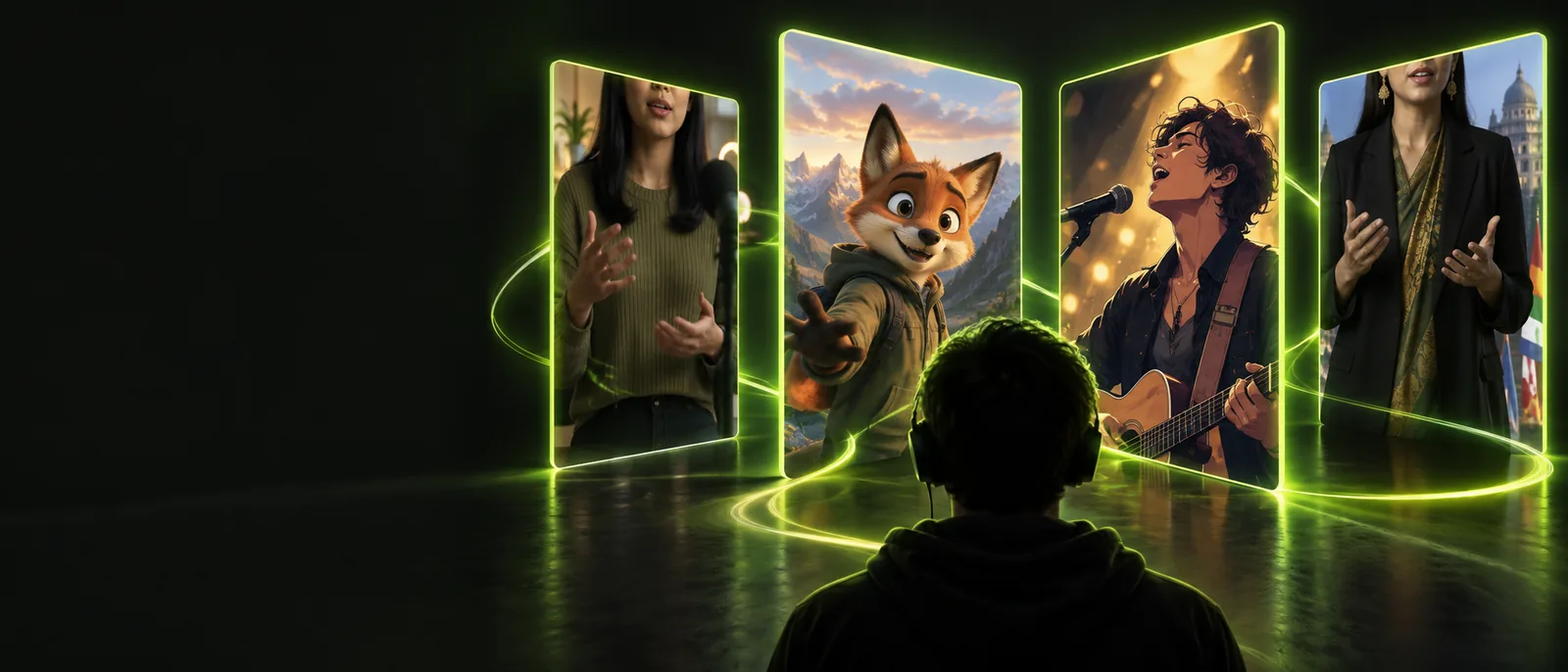
Turn a song, speech, or character idea into a playful performance concept. Lip Sync helps you shape the setup, choose a visual direction, and prepare a shareable result.
Know the format
A battle format is built around contrast and performance energy. It is not the same as simply matching one face to one audio track.
The result can present two performers, but it cannot reliably decide who is funnier, more convincing, or technically better.
WorkaroundUse a clear judging prompt, audience poll, or host commentary after the video.
Generated timing can help shape a scene, but human performers still need rehearsal for gestures, pauses, and comedic reactions.
WorkaroundRecord a short rehearsal and use it to refine the final direction.
Fast lyrics, layered vocals, slang, and abrupt changes in delivery can make mouth movement or expression feel less precise.
WorkaroundChoose a clean audio section and keep the strongest lyrical moment short.
A performance concept does not grant permission to use a commercial song, movie clip, or celebrity likeness.
WorkaroundUse audio and imagery you own, license, or have permission to share.
Simple workflow
Start with a strong contrast, keep the premise easy to understand, and give each performer a distinct moment.
Choose two performers, characters, or visual styles that create an immediate contrast, such as polished versus chaotic or serious versus playful.
Select one short section of audio with a memorable phrase, beat, or pause. Build the scene around that moment instead of trying to cover everything.
Add entrances, close-ups, gestures, and a final reaction so the viewer understands the competition without needing extra explanation.
Explore formats
The same performance idea can be adapted for different inputs and publishing goals. Use the route that matches the material you already have.
Choose the right route
A general lip sync workflow and a battle concept can use similar source material, but they serve different creative jobs.
General lip sync
Battle format
General lip sync
Match one performer to spoken or sung audio.
Battle format
Create a playful contest between two or more sides.
General lip sync
One setup, one performance, one result.
Battle format
Introduction, contrast, reaction, and a closing beat.
General lip sync
A clear voice, song, or dialogue track.
Battle format
A short track with a memorable hook or dramatic change.
General lip sync
Mouth timing and believable delivery.
Battle format
Mouth timing plus gestures, entrances, and reactions.
General lip sync
Can work as a single continuous performance.
Battle format
Usually benefits from cuts between performers and viewpoints.
General lip sync
Viewers watch the performance itself.
Battle format
Viewers can choose a winner or debate the stronger performance.
General lip sync
Explainers, character voices, songs, and dialogue tests.
Battle format
Challenges, comedy clips, fan concepts, and social posts.
Ideas to try
Give each side a recognizable role before you worry about effects. A simple premise usually makes the final performance easier to follow.
Two contrasting personas perform the same hook with different expressions and camera energy.
A quick challenge clip with a clear setup and an easy audience vote.
lip sync TikTokTwo fictional stage identities interpret the strongest part of a favorite song in opposite styles.
A fan-made performance concept that feels more visual than a standard playback clip.
lip sync for songsA serious dramatic reading faces an exaggerated, overconfident delivery of the same line.
A comedic before-and-after idea that can be cut around reactions and pauses.
lip sync videoTwo characters silently compete for attention while the audio supplies the dialogue or song.
A compact exercise in blocking, timing, and visual storytelling.
lip sync examples in moviesSee the contrast
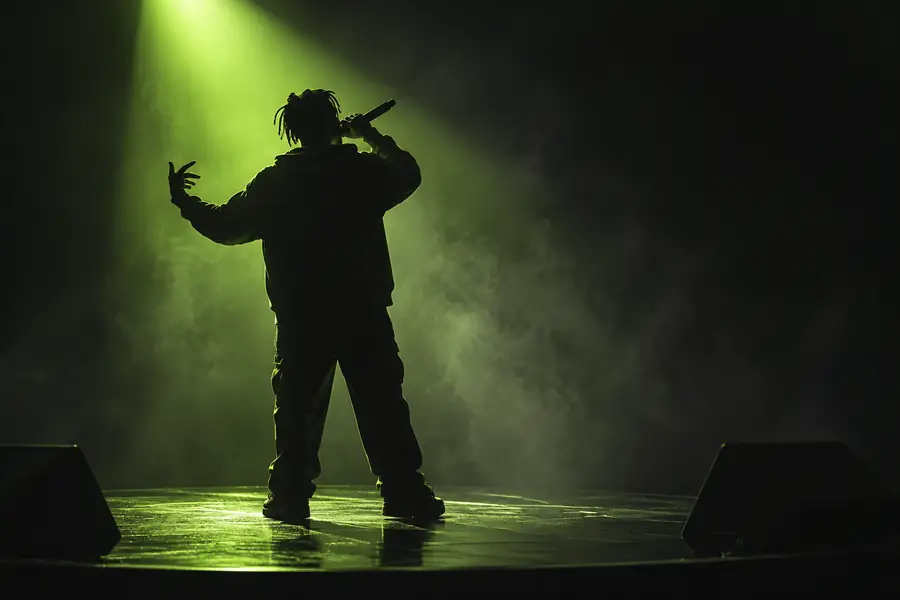
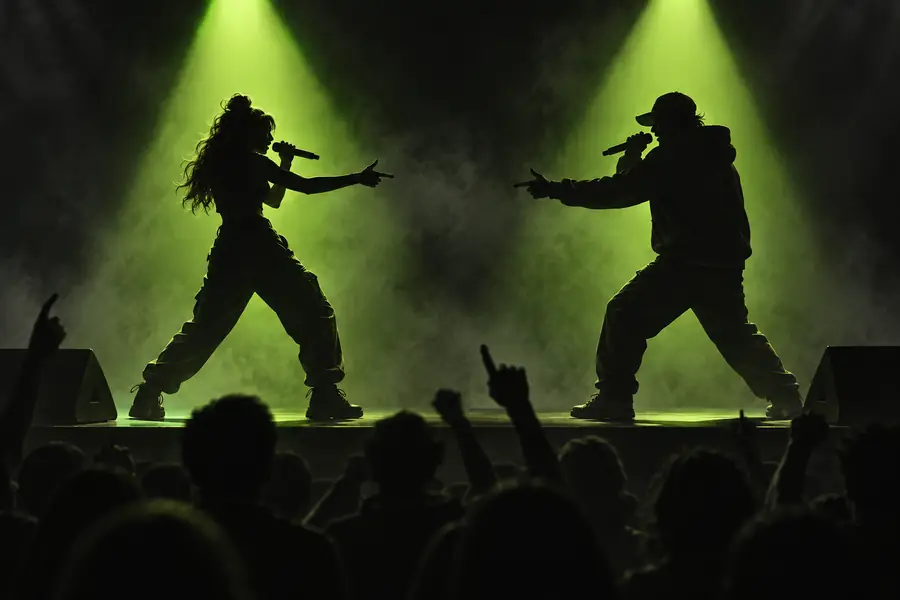
The difference is not only the audio. A battle adds opposing identities, visible stakes, and a final reaction that tells the audience how to read the scene.
A strong matchup makes the contrast readable before the first line is delivered.
Make the matchup
Bring a simple premise, a memorable audio moment, and two contrasting performers together. Lip Sync gives you a practical starting point for planning a battle-style performance without overcomplicating the concept.
Create your performanceCommon questions
A lip sync battle is a performance format where two or more people or characters act out the same or different audio while competing for attention. The appeal comes from contrast, timing, gestures, and audience reaction rather than live singing.
Choose the performers, select a short and recognizable audio section, and decide what makes each side different. Then plan an entrance, a signature moment, and a closing reaction so the competition has a clear shape.
Yes. Songs work well when they have a strong hook or beat, while dialogue can create a comedic or dramatic face-off. Use audio you own, have licensed, or are otherwise allowed to share.
No. The two sides can be real performers, fictional characters, animated figures, or contrasting versions of one concept. What matters is that viewers can quickly tell the sides apart.
There is no single required length, but a short section is usually easier to follow and edit. One memorable musical or spoken moment with a beginning, escalation, and reaction is often enough for a focused clip.