Plain-English guide
What is the meaning of lip sync, in plain English
The meaning of lip sync is simple: matching visible mouth movements to spoken or sung audio so a person, character, or avatar appears to say the words being heard. This guide explains the process, its uses, and its limits.
One-line definition
Lip sync is the coordination of a mouth on screen with a separate voice or song. The goal is convincing timing, not necessarily a live recording or a perfect understanding of the words.
How lip sync works
Whether it is performed by a person or generated by software, the method follows the same basic idea: listen to the sound, identify speech timing, and match visible movement.
-
1
Start with the audio
A spoken line, sung phrase, or prerecorded track provides the timing reference. The sound contains pauses, syllables, emphasis, and changes in volume that help determine when the mouth should move.
-
2
Read the speech pattern
A performer studies the words, while software may analyze the waveform or transcript. The process looks for phonemes, stress, and transitions rather than treating the entire sentence as one continuous movement.
-
3
Match visible movement
Mouth shapes, jaw motion, expression, and head movement are aligned with the audio. Small timing adjustments matter because even a slight delay can make a face look disconnected from the voice.
- 1 Audio and visible mouth movement must agree
- 2 signals
- 2 Speech timing gives the performance its reference
- 1 timeline
- 3 Synchronization alone cannot prove the words are understood
- 0 guarantees
What it can and cannot do
Synchronization improves the relationship between sound and movement, but it is only one part of a believable performance. The result still depends on the source, timing, expression, and context.
-
It cannot repair unclear audio
If the recording is noisy, clipped, heavily compressed, or missing words, mouth movement has less reliable information to follow.
WorkaroundUse the cleanest voice or song file available and remove long silences or unwanted noise before syncing.
-
It cannot guarantee perfect phonemes
Similar sounds can produce similar mouth shapes, and languages use different visual cues. A technically aligned result may still look slightly simplified.
WorkaroundReview difficult names, fast lyrics, accents, and language changes manually when accuracy matters.
-
It cannot create natural emotion by itself
Correct mouth timing does not automatically add eye movement, breathing, posture, or believable facial expression.
WorkaroundChoose a performance with a suitable expression and refine the eyes, head, and body movement as a separate pass.
-
It cannot make every source suitable
A face turned away, hidden by objects, poorly lit, or moving too quickly may not provide enough visible information for convincing alignment.
WorkaroundUse a clear, front-facing source or select a shot where the mouth remains visible for most of the line.
Who uses lip sync
Creators use synchronized speech and movement whenever the audience needs to believe that a visible subject is delivering the audio. The same principle appears in both live performance and digital production.
- Before alignment
- After alignment
The improvement is timing, not a new voice.
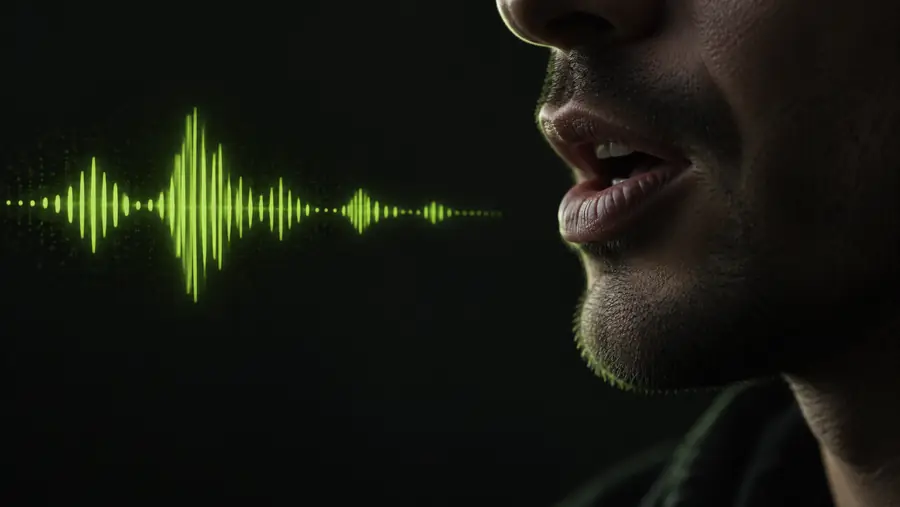
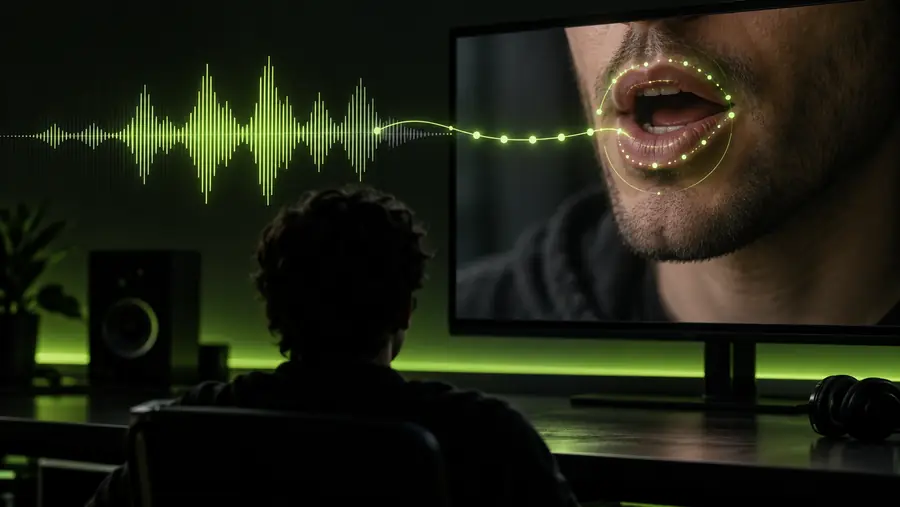
Make the idea visible
Now that you know the meaning of lip sync, you can explore how synchronized speech is used in short videos, songs, character animation, presentations, and virtual performances. Start with a clear face and a clean audio track, then judge the result by timing, expression, and context rather than by mouth movement alone.
Try lip sync- Match speech to a visible face
- Use a voice or song as the timing guide
- Review expression as well as mouth movement
Frequently asked questions
Lip sync means matching a person’s or character’s visible mouth movements to spoken or sung audio. The viewer should feel that the subject is producing the words being heard, even when the audio and image were recorded or created separately.
No. Dubbing replaces or adds a voice track, often in another language, while lip sync describes the alignment between that track and visible mouth movement. A dubbed scene may use lip sync, but the two terms describe different parts of the process.
No. It can be used with dialogue, narration, songs, comedy clips, advertisements, animation, and virtual characters. Singing is a familiar example because the timing of lyrics makes mismatches easy to notice.
Musicians, actors, filmmakers, animators, social video creators, educators, and virtual presenters all use it. It helps make a prerecorded voice, translated line, or generated performance look connected to the subject on screen.
No. It can improve the timing between audio and mouth movement, but it cannot fix poor lighting, an obstructed face, unclear audio, stiff expression, or unnatural head movement on its own. A convincing result needs a suitable source and a review of the whole performance.