
Language guide

A clear guide to lip-syncing pronunciation

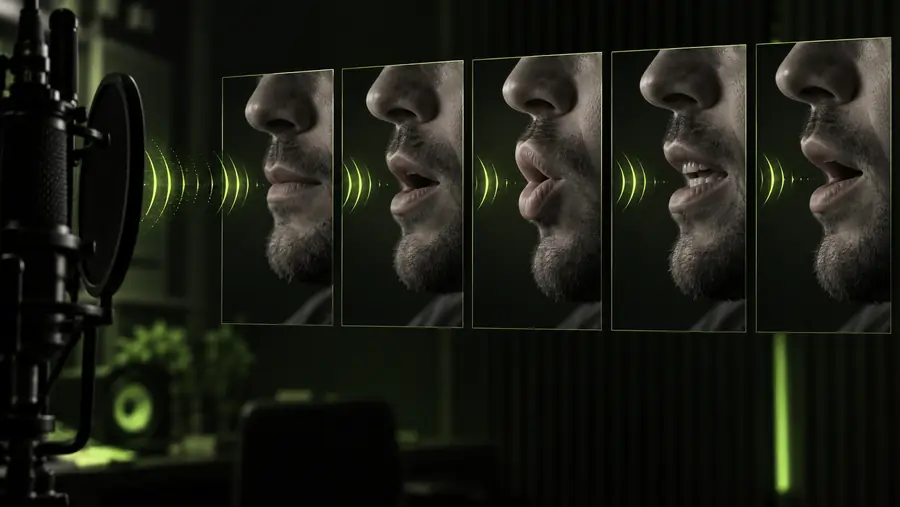
Lip-syncing pronunciation is easier when you separate the phrase into its familiar parts. This guide explains how to say lip sync naturally, where the stress falls, and why the written hyphen does not create a special extra sound.

Related reading

The term grew out of performance language, where matching visible mouth movements to pre-recorded sound was part of stage, film, and television production.

Useful boundaries

How it is done today

Modern speakers usually treat lip sync as an ordinary compound expression, not as a technical term that requires a specialized accent or production vocabulary.

  • The hyphen is not a pause

    When written as lip-syncing, the hyphen joins the words; it does not mean you should stop between lip and syncing.

    WorkaroundSay the phrase smoothly, with only the natural boundary between the two familiar words.

  • Spelling does not set the stress

    The written form cannot tell every listener exactly how strongly to emphasize each part, and regional accents may vary slightly.

    WorkaroundKeep the main beat on sync when saying lip sync, then let the rest of the sentence determine the rhythm.

  • Pronunciation cannot explain the whole practice

    Saying lip sync correctly does not tell you whether a performance is convincing, accurate, or ethically presented.

    WorkaroundUse the term for the speech-and-mouth matching idea, then describe quality or context separately.

  • It is not the same as singing live

    A person can lip sync to a song, spoken line, or voice track without producing the audible performance at that moment.

    WorkaroundChoose live singing, dubbing, playback, or lip sync according to what actually happens in the recording.

Say it naturally

What changed

The expression moved from specialist production talk into everyday online language. Its pronunciation stayed familiar even as the number of people using the term expanded.

  1. 1

    Start with lip

    Say lip as you would when describing the mouth: short, clear, and unstressed compared with the second word.

  2. 2

    Blend into sync

    Move directly into sync, rhyming it with words such as think or blink. In the two-word phrase, sync carries the strongest beat.

  3. 3

    Add the ending when needed

    For lip-syncing, attach ing to sync without inserting a new pause. The result should sound like one fluent activity name.

Visual check

Who switched

Broadcasters, performers, editors, creators, and viewers all adopted the same compact expression. The setting changed, but the basic sound pattern remained stable.

  • Written phrase
  • Spoken use

The hyphen changes the spelling, not the basic rhythm: lip-syncing still flows as one activity name.

A speaker reading the phrase lip syncing from a language guide
A creator using lip sync terminology while reviewing a video

Sound pattern

These small language facts make the phrase easier to remember without turning a simple pronunciation question into a technical lesson.

1 The base expression is lip sync.
2 words
2 Lip-syncing is commonly spoken as lip-sync-ing.
3 syllables
3 Pronunciation is commonly spoken as pro-nun-ci-a-tion.
4 syllables
4 Sync receives the clearest stress in lip sync.
1 main beat

At a glance

Compare the short noun phrase with the longer activity form. Both refer to the same general idea, but they fit different sentence structures.

1

Typical role

lip sync

Noun phrase

lip-syncing

Activity or present participle

2

Meaning

lip sync

The act or result of matching mouth movement to audio

lip-syncing

The act of matching mouth movement to audio

3

Natural example

lip sync

The video uses lip sync.

lip-syncing

They are lip-syncing to a recorded line.

4

Main stress

lip sync

Strongest beat on sync

lip-syncing

Strongest beat remains on sync

5

Written form

lip sync

Usually two words

lip-syncing

Usually hyphenated before an ending

6

Pause between parts

lip sync

No deliberate pause

lip-syncing

No deliberate pause

7

Best use

lip sync

Naming a technique or result

lip-syncing

Describing what someone is doing

Where it appears

The phrase is now useful across several kinds of media. Each audience may care about a different detail, but the pronunciation stays approachable.

Language learner

A learner encounters lip sync in a subtitle, app, or creator tutorial and wants to say it aloud without overthinking the spelling.

The learner can use the phrase smoothly and connect it with the broader [lip sync meaning](/lip-sync-meaning/) in context.

lip sync meaning

Video creator

A creator explains a short clip where a person matches spoken audio or a song rather than recording the final sound live.

The creator can choose the correct term and point viewers toward [what is the meaning of lip sync](/what-is-lip-sync/) for a fuller explanation.

what is the meaning of lip sync

Presenter or teacher

A presenter needs to distinguish a live delivery from playback while keeping the explanation clear for a general audience.

The presenter can say lip sync naturally and use [lip sync video](/lip-sync-video/) as a practical example of the term in action.

lip sync video

Say the phrase with confidence

You do not need a specialist accent to pronounce lip sync well. Keep the two words connected, give sync the clearest beat, and use lip-syncing when describing the action. When you are ready to explore the technique itself, you can move from the language guide to a practical creation workflow.

Try lip sync
  • Say lip and sync as familiar words
  • Stress sync rather than the hyphen
  • Use lip-syncing for the ongoing action

Quick answers

Its own FAQ

These answers focus on the pronunciation question itself and the most common choices people face when saying or writing the term.

Say it as lip-sync-ing, with three clear syllables. Keep the words connected and place the strongest emphasis on sync rather than pausing at the hyphen.

It is made from two familiar words, but speakers normally say them as one smooth phrase. Avoid inserting a noticeable pause between lip and sync.

The clearest stress usually falls on sync. Lip is shorter and lighter, so the phrase sounds natural when sync receives the main beat.

No. The hyphen helps show that lip and syncing work together as one compound term in writing. It does not require a pause or create a new sound.

The pronunciation is closely related, but the grammar differs. Lip sync commonly names the technique or result, while lip syncing describes someone currently performing that action.

Start creating
Start creating