Short-form creator
A creator performs to a prepared line or song while recording a concise social clip.
The camera performance can focus on expression while the chosen audio carries the exact timing.
lip sync tiktokDefinition guide
The lip sync meaning is simple: visible mouth movement is timed to spoken or sung audio so the performance appears naturally connected. This guide separates the idea from common misconceptions and shows where it helps.
Related reading
Before defining the technique, it helps to separate lip sync from nearby ideas that sound similar but describe different creative choices.
Common mistakes
A useful definition needs boundaries. These caveats explain what the technique can and cannot change in a recording.
Lip sync changes the relationship between a face and a soundtrack, but it does not automatically improve pitch, lyrics, diction, or recording quality.
WorkaroundClean or replace the audio first, then align the visible performance to the finished track.
Dubbing replaces the original spoken track with a new language or performance. Lip sync describes the visual timing that makes speech appear matched.
WorkaroundTreat translation, voice replacement, and mouth timing as separate production decisions.
A profile view, covered mouth, rapid cuts, or a low-resolution source can hide the cues needed for convincing alignment.
WorkaroundChoose a clear, front-facing source and use steady shots when mouth timing is the main focus.
Good lip sync follows syllables, pauses, emphasis, and the changing shapes created by different sounds.
WorkaroundMatch the strongest consonants and vowel shapes rather than moving the mouth at a constant rhythm.
Core process
Whether performed manually or assisted by software, the process follows the same basic logic: connect a source face, a source track, and a timing decision.
Start with dialogue, singing, or a spoken line whose timing and wording are already settled. The track becomes the reference for every visible movement.
Identify pauses, stressed syllables, open vowels, and sharper consonants. These cues show where movement should begin, change, and stop.
Time the visible performance to the track, then watch at normal speed. Natural results depend on rhythm, expression, and believable pauses together.
Clear distinction
The same word can be used loosely in conversation, but these comparisons keep the production meaning precise.
Lip sync
Not necessarily lip sync
Lip sync
Make visible mouth movement appear matched to existing audio.
Not necessarily lip sync
Record, replace, translate, or edit audio without requiring mouth alignment.
Lip sync
The timing and sound pattern of the dialogue or song.
Not necessarily lip sync
The script, vocal performance, edit decision, or language change.
Lip sync
A face or character plus a spoken or sung track.
Not necessarily lip sync
An audio recording, script, or video that may not show a speaking face.
Lip sync
Mouth shapes and pauses follow the audible performance.
Not necessarily lip sync
The soundtrack changes while the image may remain visually unchanged.
Lip sync
Can work across languages if the visual timing is rebuilt convincingly.
Not necessarily lip sync
Translation alone does not guarantee that the mouth movement matches.
Lip sync
Awkward timing, missing facial cues, or an unclear source face.
Not necessarily lip sync
Wrong wording, poor pronunciation, noisy audio, or a weak edit.
At a glance
These are not performance scores. They are the practical signals that make a matched face and soundtrack feel connected.
Practical use
The meaning becomes easier to apply when viewed through real creative situations rather than a dictionary definition.
A creator performs to a prepared line or song while recording a concise social clip.
The camera performance can focus on expression while the chosen audio carries the exact timing.
lip sync tiktokAn editor has a clean soundtrack and footage that needs tighter mouth timing.
The scene reads as more coherent without asking the audience to reconcile obvious audio and facial delays.
lip sync videoA character needs to speak or sing in time with a recorded voice performance.
Planned mouth shapes give the character clearer rhythm, emphasis, and emotional delivery.
lip sync animationA performer creates a visual take around a song whose vocal track is already selected.
Gestures and facial expression can be staged around a stable musical reference.
lip sync for songsVisual check
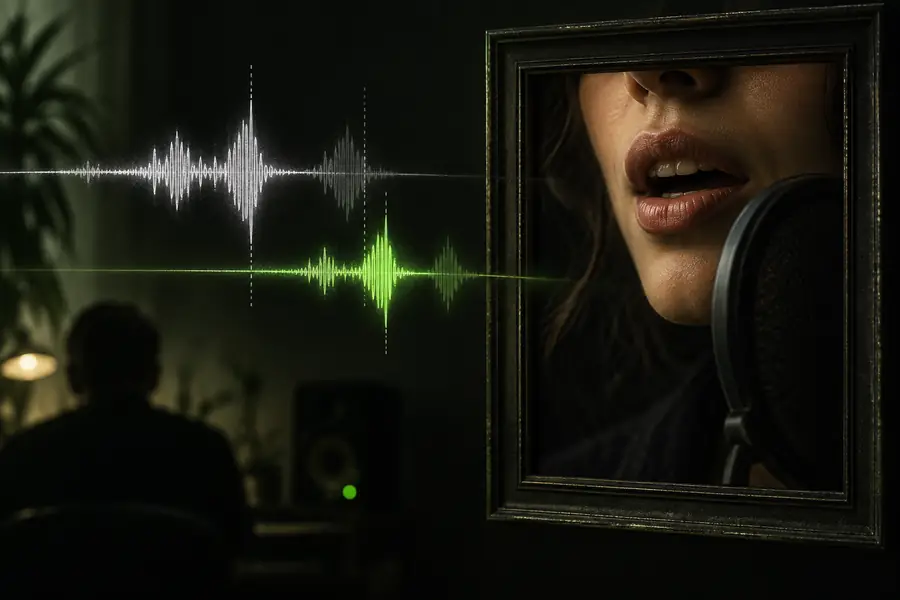
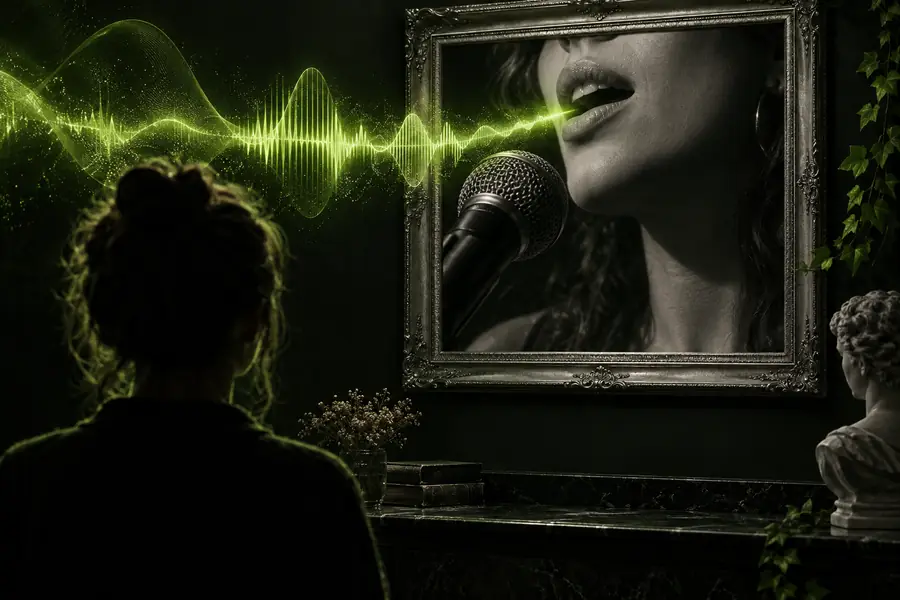
The comparison is about relationship, not beauty: the after state makes the face and soundtrack feel like one performance.
The strongest result follows pauses and emphasis, not just the beat.
Make it practical
Now that the lip sync meaning is clear, you can decide whether your project needs mouth-to-audio alignment, a new voice track, translation, or ordinary video editing. Start with the finished sound, choose a clear face, and review the result at normal speed before publishing.
Try a lip sync workflowQuick answers
These answers address the core phrase directly and keep the definition separate from related production terms.
Lip sync means matching visible mouth movement to spoken or sung audio. The goal is for viewers to believe that the person or character is producing the sound at that moment.
Not always. A performer may be using a prerecorded voice or song, while the visible performance is timed to that recording rather than captured live in the same take.
No. It can describe dialogue, narration, comedy, dubbing-related visuals, animation, and songs. Any situation where mouth movement is aligned with audio can involve lip sync.
Natural results follow more than the general beat. Mouth shapes, syllable timing, pauses, emphasis, facial expression, and clear source footage all contribute to believable alignment.
Avoid making it the main technique when the source face is hidden, heavily angled, constantly cut, or too blurry to show useful mouth cues. In those cases, voiceover, captions, or a different edit may communicate more clearly.