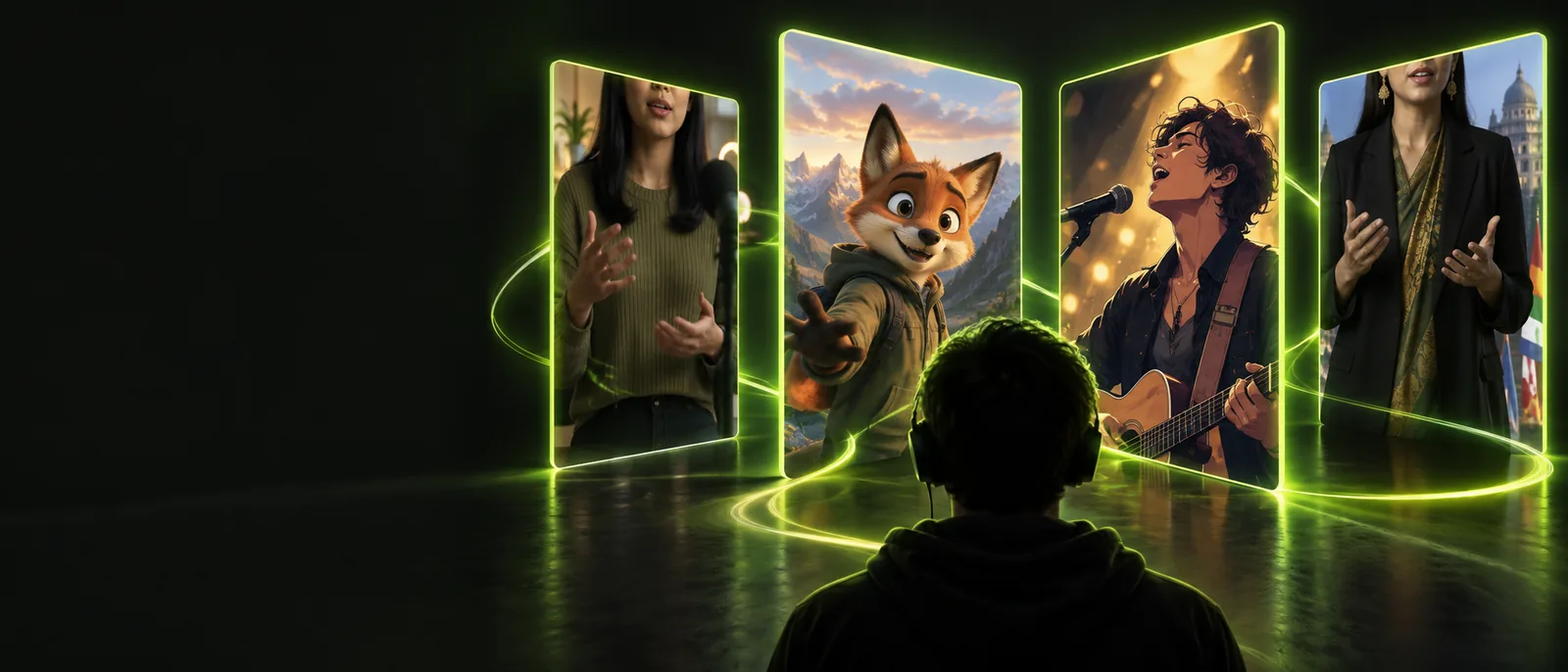
Workflow comparison

Lip sync vs YouTube for choosing the right workflow

Lip sync vs YouTube is not a straight either-or choice: one is a production technique, while the other is a publishing platform. Compare where each fits before you edit, record, or publish.

1
production technique
1
publishing platform
0
need to choose only one
Creator preparing a synchronized performance video

Total cost: compare the whole workflow

The cheapest option is usually the one that prevents rework. Compare direct tool effort with the time and attention required to make a YouTube-ready result.

  1. 1

    Define the source

    Choose the recorded audio, song, dialogue, or reference performance first. A clear source reduces later alignment decisions and makes the intended result easier to judge.

  2. 2

    Build the performance

    Record or generate the visual performance, then align mouth movement, gestures, cuts, and expressions to the source. This is where a lip sync tool can reduce manual frame-by-frame work.

  3. 3

    Prepare the YouTube version

    Edit the finished piece for its destination: add context, captions, a title, a thumbnail, and any channel-specific formatting before uploading or scheduling it.

Where quality differs

Quality depends less on the platform name than on what you control before publication. The strongest results treat synchronization, editing, and audience presentation as separate decisions.

1 audio or performance reference to keep consistent
1 source
2 finished visual sequence to review before publishing
1 edit
3 YouTube upload shaped for its intended audience
1 destination

Where time differs

A synchronization workflow concentrates effort in the creation stage. YouTube adds destination work after the video is ready, especially when the upload needs context, packaging, and audience retention.

Music creator

You already have a song and want a visual performance that follows its phrasing, rhythm, and emotional changes.

Use synchronization for the performance, then package the result for YouTube without confusing the audio source with the publishing channel.

lip sync vs songs
Channel editor

A presenter or character needs to appear as though they are speaking naturally to a prepared recording.

Finish the visual alignment first, then use a YouTube-oriented edit for pacing, captions, thumbnail context, and discoverability.

lip sync for youtube

Short-form creator

You want one performance to work as a quick vertical clip while retaining a clean master for another channel.

Keep the source and synchronized master flexible, then create platform-specific cuts instead of rebuilding the performance each time.

lip sync vs tiktok

Video producer

A team needs to decide whether a dedicated synchronization pass is worthwhile before publishing a polished piece on YouTube.

Use the lip sync video workflow when visible timing is central; use YouTube only for the final audience-facing delivery.

lip sync video

When switching is worth it

Switch when the current workflow is forcing one tool to solve the wrong problem. A platform change can improve distribution, but it will not repair weak source audio or poorly aligned performance on its own.

  • Synchronization workflow
  • YouTube-ready presentation

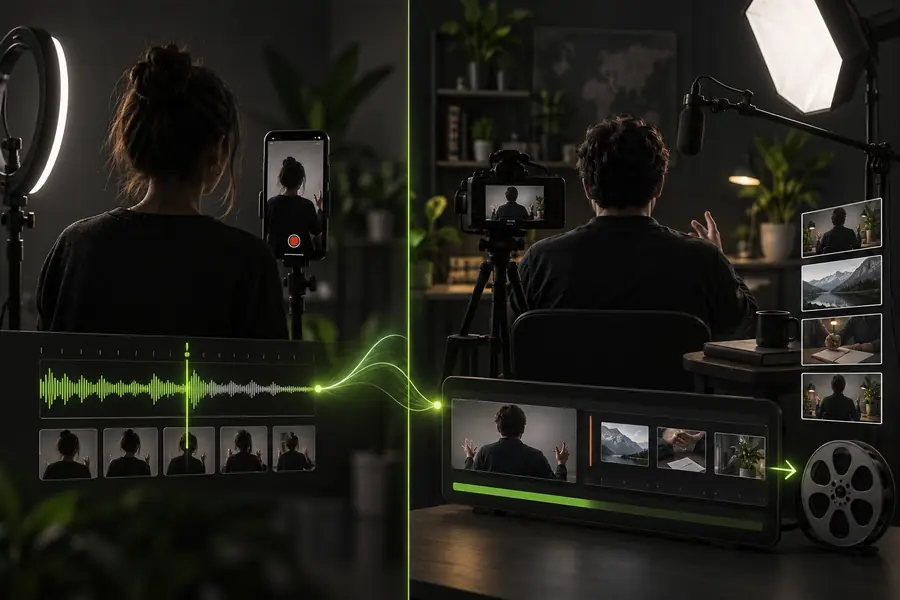
Create first, publish second: the cleanest workflow separates alignment from distribution.

Comparison view of a synchronized video workflow and a YouTube publishing workflow
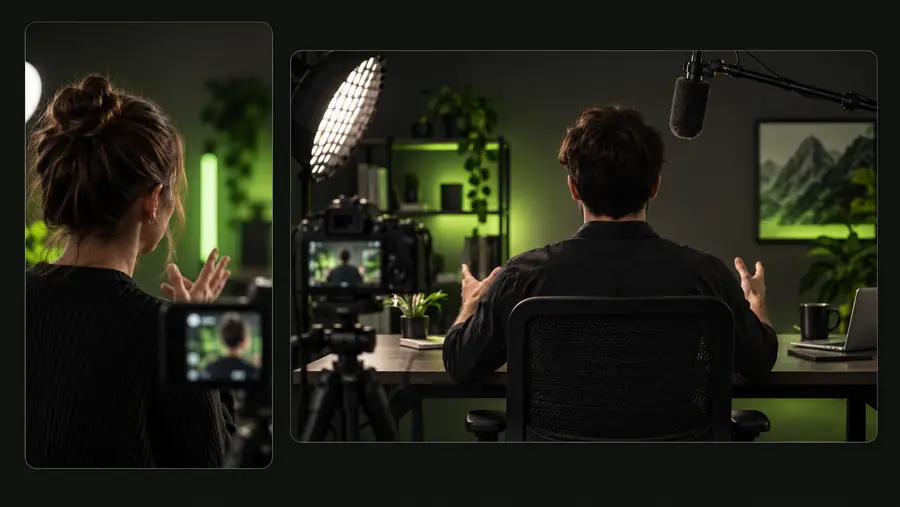
Polished synchronized video prepared for YouTube

Make the comparison practical

Start with the part that affects the viewer most: whether the visible performance feels connected to the sound. Once that foundation is working, adapt the edit for YouTube rather than expecting the publishing platform to create the effect for you. A focused production pass can also leave you with a reusable master for other destinations.

Try a lip sync workflow
  • Use the same source audio throughout the edit
  • Review alignment before adding channel packaging
  • Keep the master flexible for future platform cuts

Comparison FAQ

These answers clarify the basic distinction behind the query and help you choose the next step without treating a technique and a platform as competing products.

Lip sync is a technique for matching visible mouth movement or performance to recorded audio. YouTube is a platform where a completed video can be published, discovered, and watched.

Yes. You can create a synchronized performance first and then edit it for YouTube with an appropriate title, thumbnail, captions, and pacing. The two belong to different stages of the same workflow.

They cannot be ranked as direct alternatives because they do different jobs. Use synchronization when timing between the image and sound matters, and use YouTube when you need a place to publish and distribute the finished video.

Usually, yes. Complete the core visual and audio alignment before adding platform-specific packaging, so the YouTube edit does not hide or introduce timing problems.

No. Uploading a video to YouTube does not automatically align a performance with a separate recording. The synchronization needs to be recorded, edited, or generated before publication.

Start creating
Start creating